My Projects
Genomics and Transcriptomics of Host Repertoire
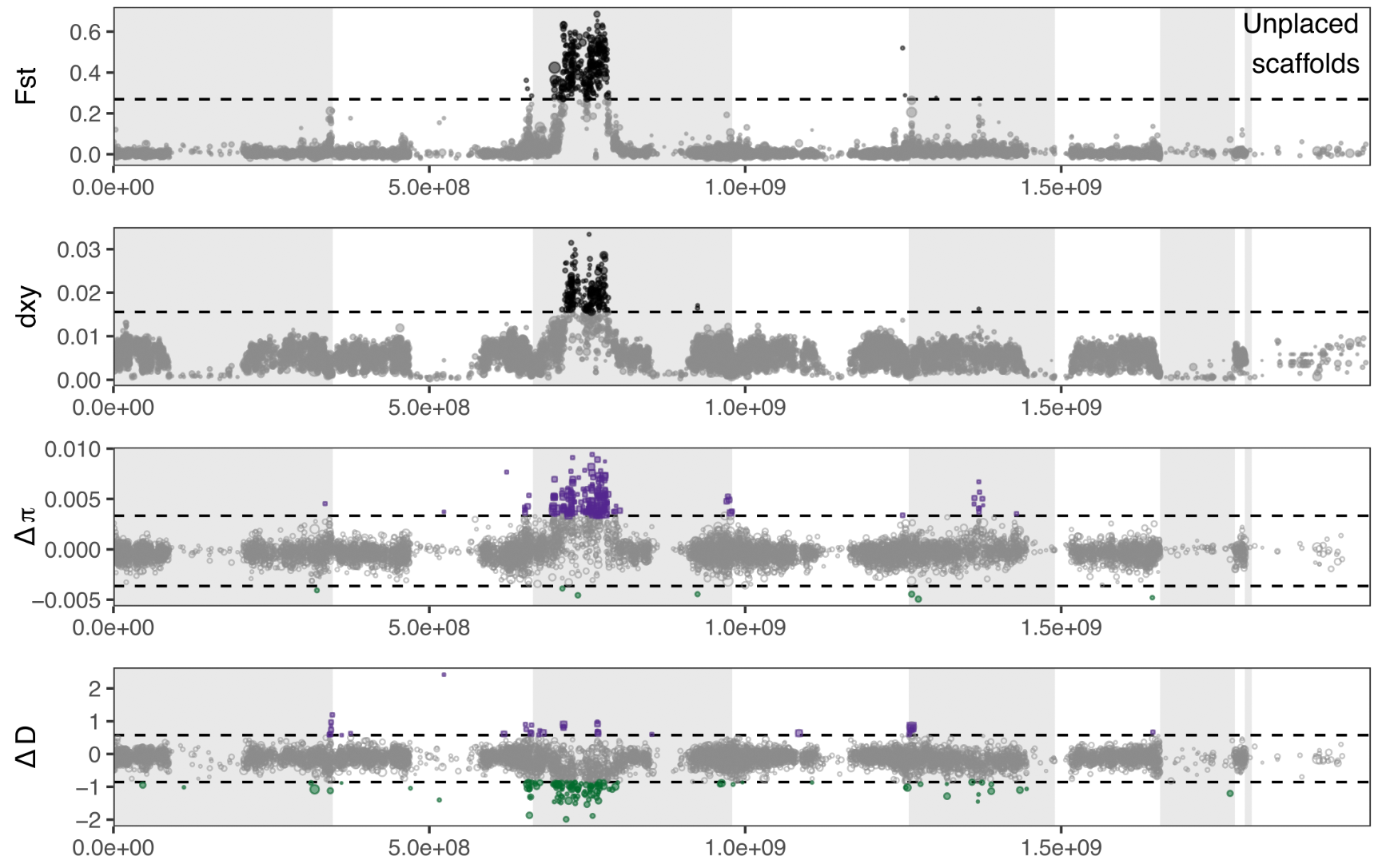
A major goal of my research has been to understand the genomic and transcriptomic mechanisms underlying how insects use their host plants, and how this changes as environments change over shorter and longer evolutionary time. We use the peacock fly (Tephritis conura) and butterflies (e.g., Polygonia c. album, Vanessa cardui) to study the determinants of host repertoire (i.e. diet breadth), exploring how structural changes in the genome like inversions and repetitive content can help maintain adaptations and host associated divergence in the face of ongoing gene flow.
View RepositoryMultitrophic Multi-omics
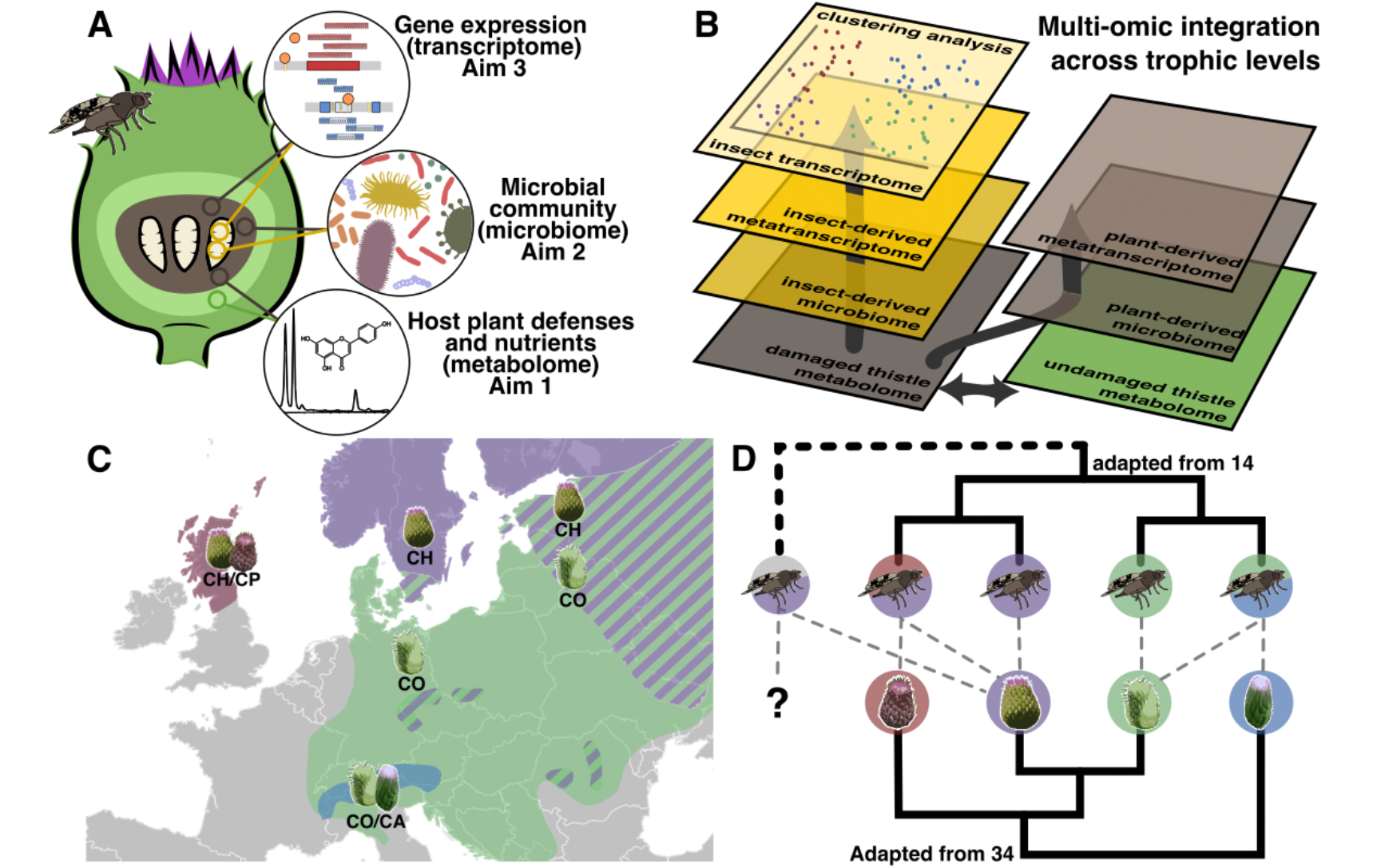
I am interested in the multitrophic drivers of host use, specifically how microbes modify interactions between insects and plants. Insect host use depends not only on characteristics of the colonizing insect, but interactions with organisms at multiple trophic levels, including the chemical and nutritional landscape of the host plant and its associated microbial communities. Without a mechanistic understanding of the interaction between plant, insect, and microbes, it is impossible to determine the ecological pressures that promote host-associated differentiation, ultimately impacting patterns of biodiversity. I am especially interested in these multitrophic interactions in cases of recent host expansion (i.e., increased generalization). Modern techniques allow for integration of -omic data across multiple data types. For organisms with tightly linked life histories, like highly specialized insects and their plant hosts, this presents the novel opportunity to use multi-omic approaches to link data not only within an organism, but across trophic levels.
OngoingTranscriptional and post-transcriptional plasticity
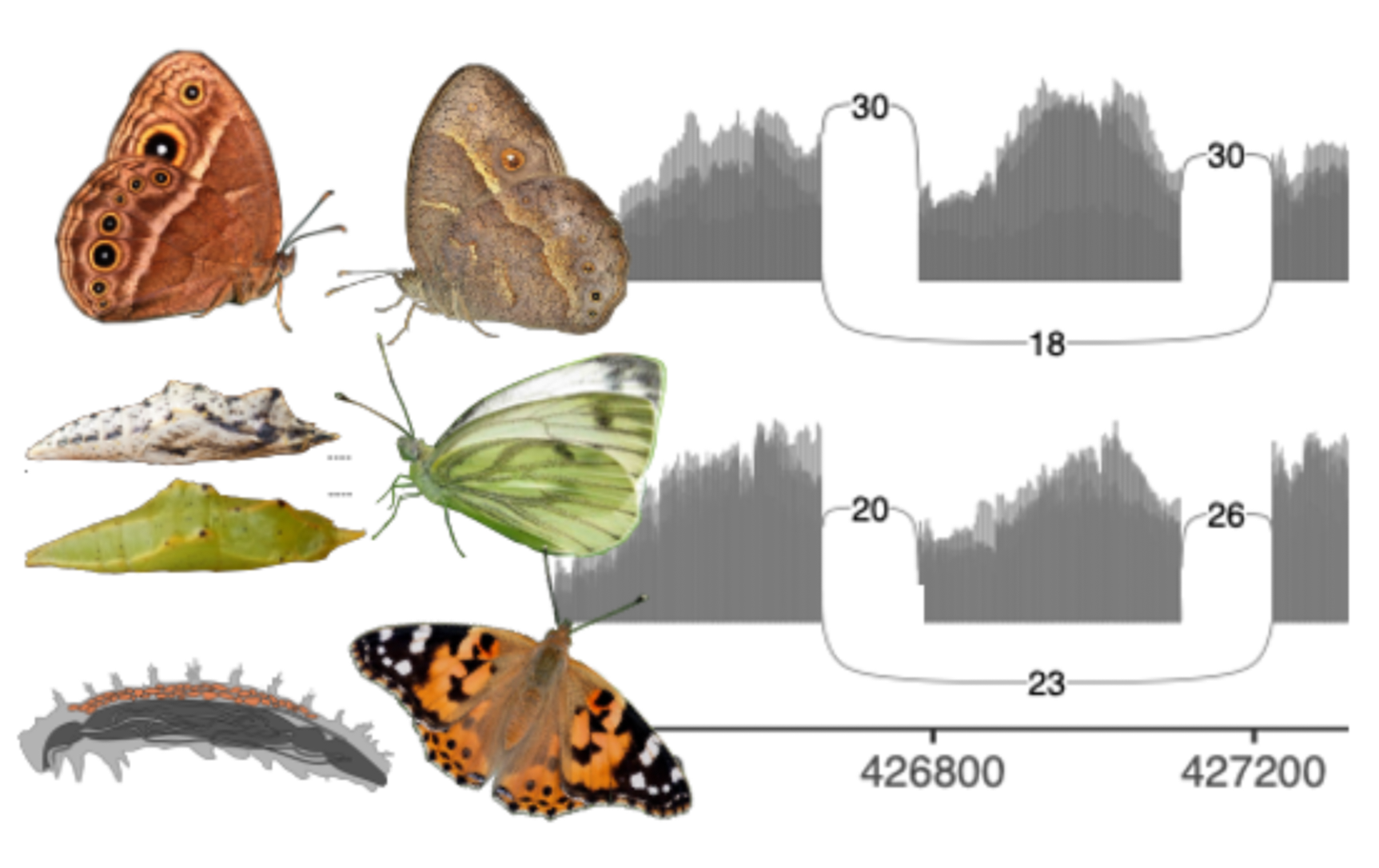
I aim to uncover the molecular mechanisms underlying how organisms interact with a changing environment, focusing on the role of transcriptional plasticity in mediating phenotypic plasticity. Primarily using bulk- RNAseq, we study how gene expression and alternative splicing changes when e.g., an insect switches host plants, and how this transcriptional plasticity evolves. Furthermore, I have advanced research into the molecular mechanisms of seasonal plasticity, particularly in butterflies like Bicyclus anynana and Pieris napi. I previously investigated how alternative splicing allows organisms to cope with seasonal changes, finding that the mechanisms regulating splicing exhibit signatures of tighter genetic constraints than those regulating locus expression, potentially limiting how species adapt to rapid environmental change.
View RepositoryEvolutionary Traps and Persistent Maladaptation
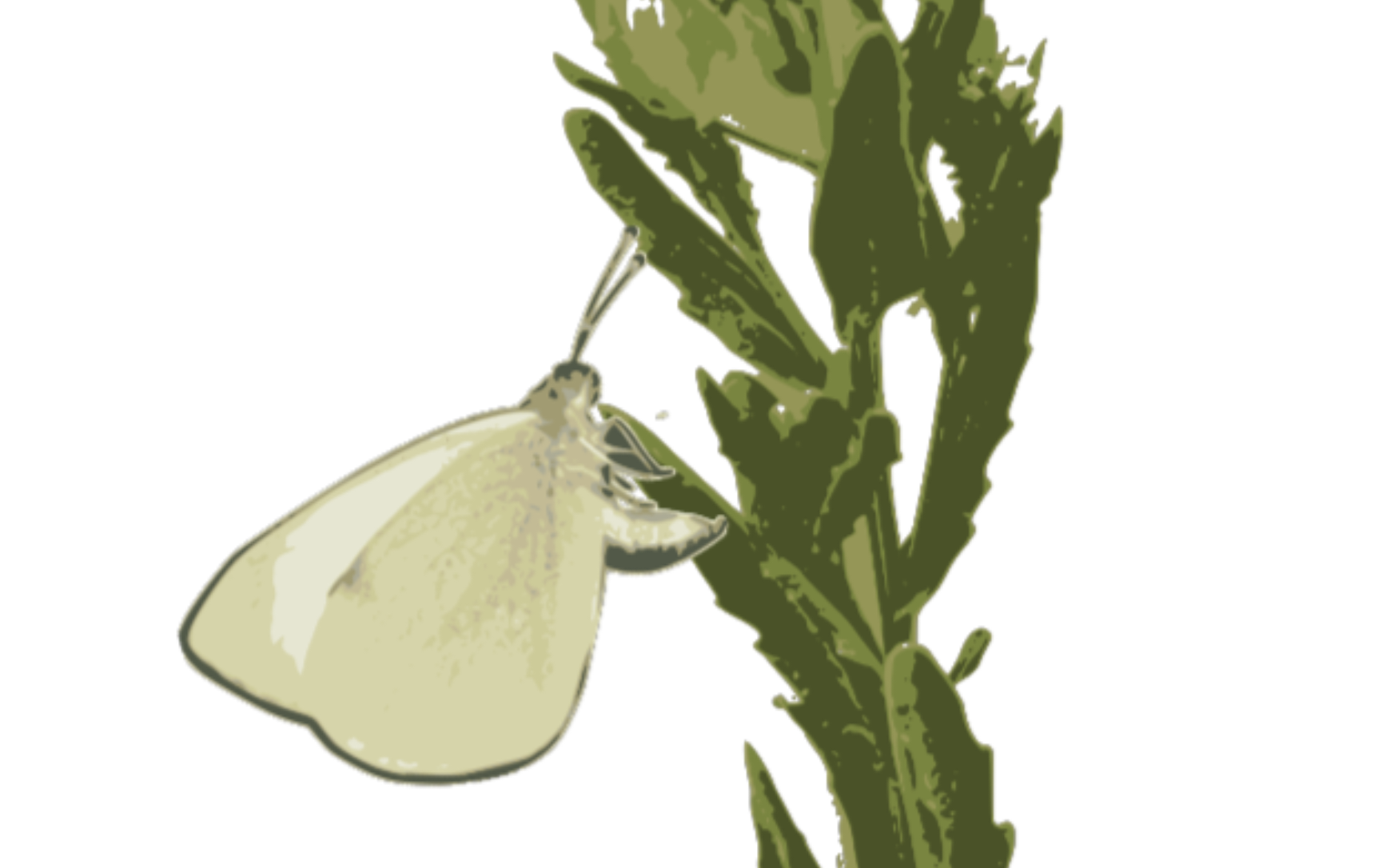
My doctoral research explored the chemical and behavioral ecology of novel interactions. I focused on evolutionary traps, where an organism's evolved and formerly adaptive behavioral cues lead it to select poor-quality resources after environmental change. I studied native insects that are attracted to invasive plants that are actually lethal to their offspring. This work explored the behavioral, phenotypic and genetic variation that allows a population to evolve away from these traps or keep them "stuck" in a state of maladaptation.
Find Pubs on Google Scholar